Brighton Tram 53 Society

Preserving the legacy of Brighton Corporation Tramways and the last open-top tram built in the UK.

What Brighton Corporation Tramways achieved between 1901-1939

Public transport, growth and civic pride

Mass public transport

It was the town’s first mass public transportation system designed specifically for movement of the public to travel quicker and longer distances across the town at an affordable price.

Population and commerce

It created the opportunity for Population Growth and with the increase in residents it attracted New Businesses and Increased Commerce for the Town.

Cleaner, healthier streets

It started the much-needed health improvement for the town’s residents. Up to 1000 horses a day used the streets as a toilet soiling most roads spreading diseases. Zoonotic illnesses such as Glanders, Tetanus, Typhoid, Cholera and Dysentery were all linked to the old horse transport environment. For more details search “The Great Horse Manure Crisis of 1894”. Trams replaced the need for the public to use horse transport.

No subsidy needed

In its 38 years of operation, the tramway produced yearly profits with money going back into the town’s coffers as it NEVER needed a financial subsidy.

Membership Enquiries

Join the society and be part of Brighton's transport heritage.

Get in Touch

For all other enquiries regarding the society and our progress.

Follow Us

Follow our progress and see our latest restoration videos.

Preserved Tram Resources

Separate pages with clickable external links

History of Brighton Corporation Tramways

1901 – 1939

1883

Discussions held about creating an Electric Tramway for the town.

1897

November

The Amber Ale/Longhurst Brewery site at Preston Circus was purchased for laying of track, a new Tram HQ and Depot but after demolishing the building an underground stream deemed it not suitable ground for a building or tram sheds because of the weight of the trams.

1898

Brighton Corporation apply for a Parliamentary Bill to use the town’s roads to construct and establish a public passenger tramway.

1900

A Brighton Corporation Act was made into law to install and operate a corporation run Tramway. Purchase of land, formally a traveller’s site to build the Lewes Road Head office / 6 track Tram Sheds + 1 track paint shed / Workshop-Garage / Exterior Yard, 30 Tramcars (Numbers 1 - 30) purchased.

1901

May - November

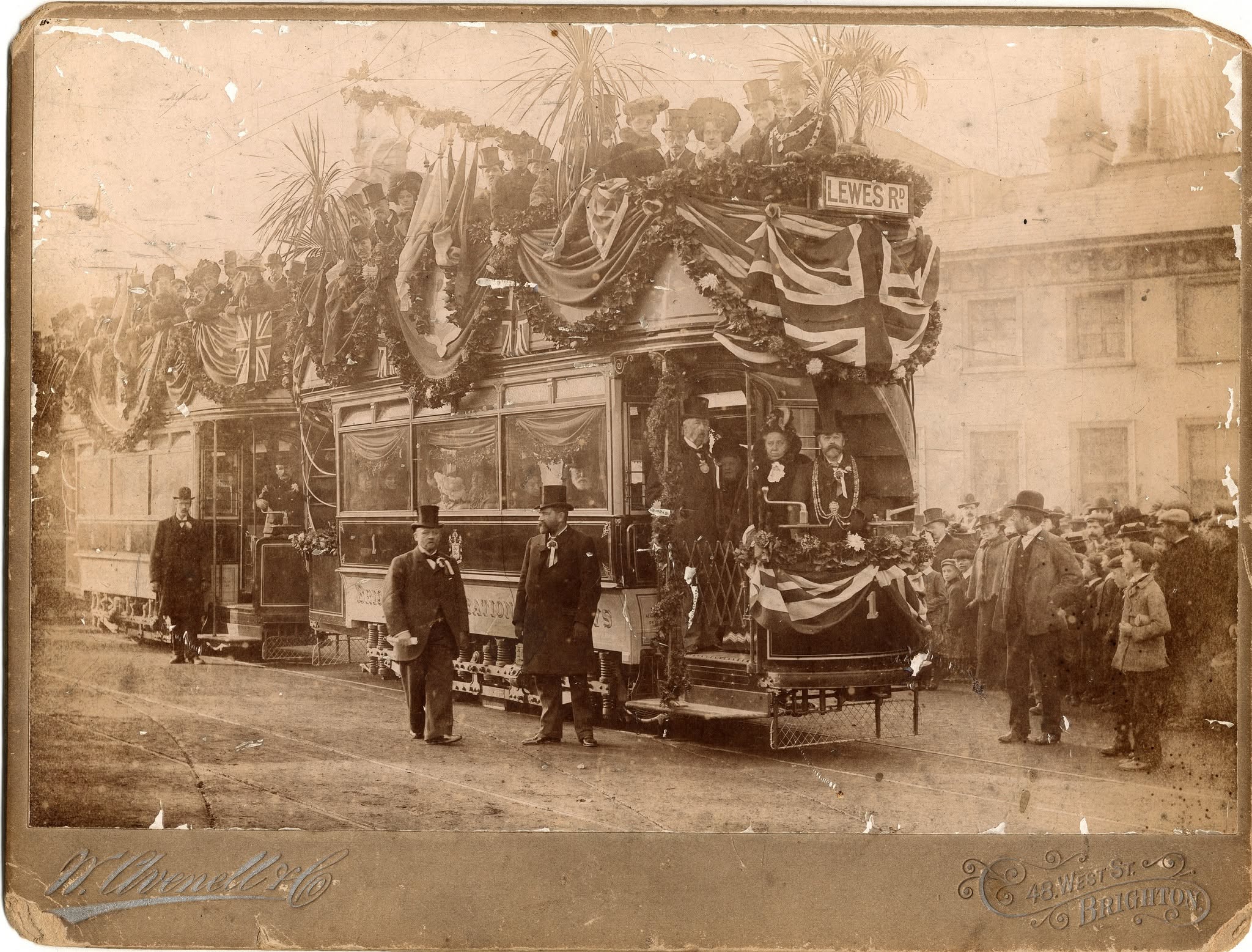
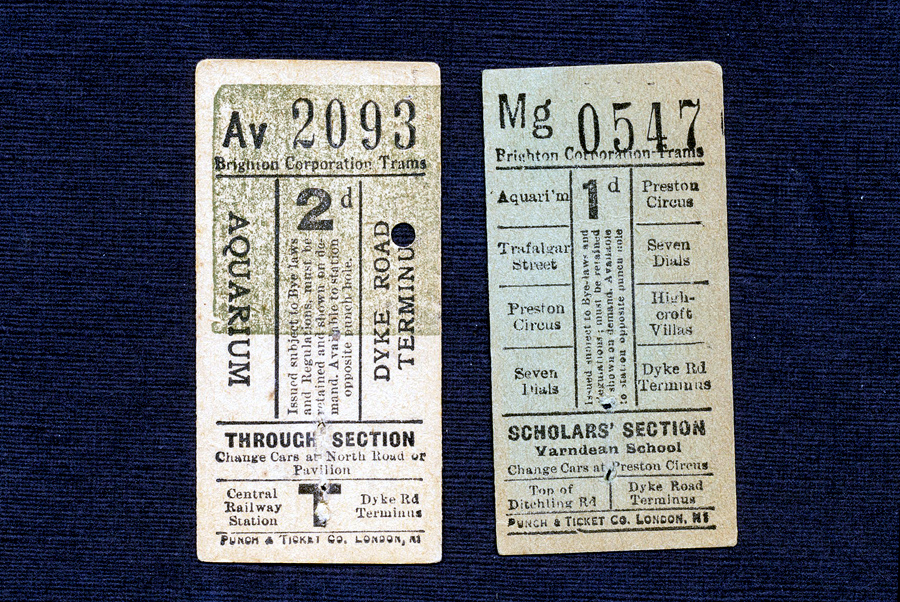
Lewes Road buildings started and finished by November using direct council labour. The 1st Tram route also completed in November (Palace Pier to Lewes Road). On November 25th the First Tramcar driven ceremonially by John Stafford the then Brighton Mayor, ticket price 1d/2d. The public service started at 1.15pm using just one route and 20 trams, by the end of day service the trams had carried 19,074 individual passenger journeys with total ticket sales £79 9s 6d.

1904

July

Completion of the full tramway network being a total track coverage of 9.5 miles, using 9 routes with a “next tram arriving waiting time” at each tram stop of just 4 - 5 minutes. Start of refurbishing of all trams as deemed necessary because the quality of workmanship and features on the trams purchased was deemed poor. This continued until 1927.

1905

Brighton Corporation Tramways have 232 staff – 74 Motormen, 68 Conductors.

1908

Having now purchased a total of 80 trams from Milnes Co, who built the bodies and used Westinghouse trucks, the Corporation choose to build all their future trams inhouse due to suppliers not offering a quality-built tram. Using their own superior design, improving year on year for passenger ride and comfort, the Corporation built a total of 116 trams but had no choice in that all trams had to have an open top deck due to regulations of the 1900 Corporation Act.

1910-1919

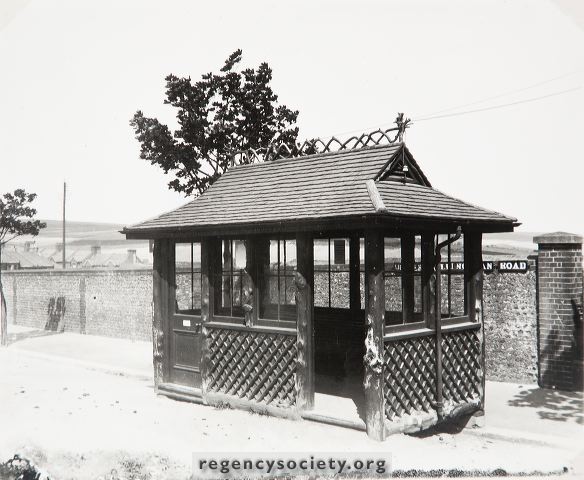
Street Wooden Passenger shelters were built at the ends of each tram route with a few built mid routes.

1913

A parcel service was added, for example returning a book back to library.

1914

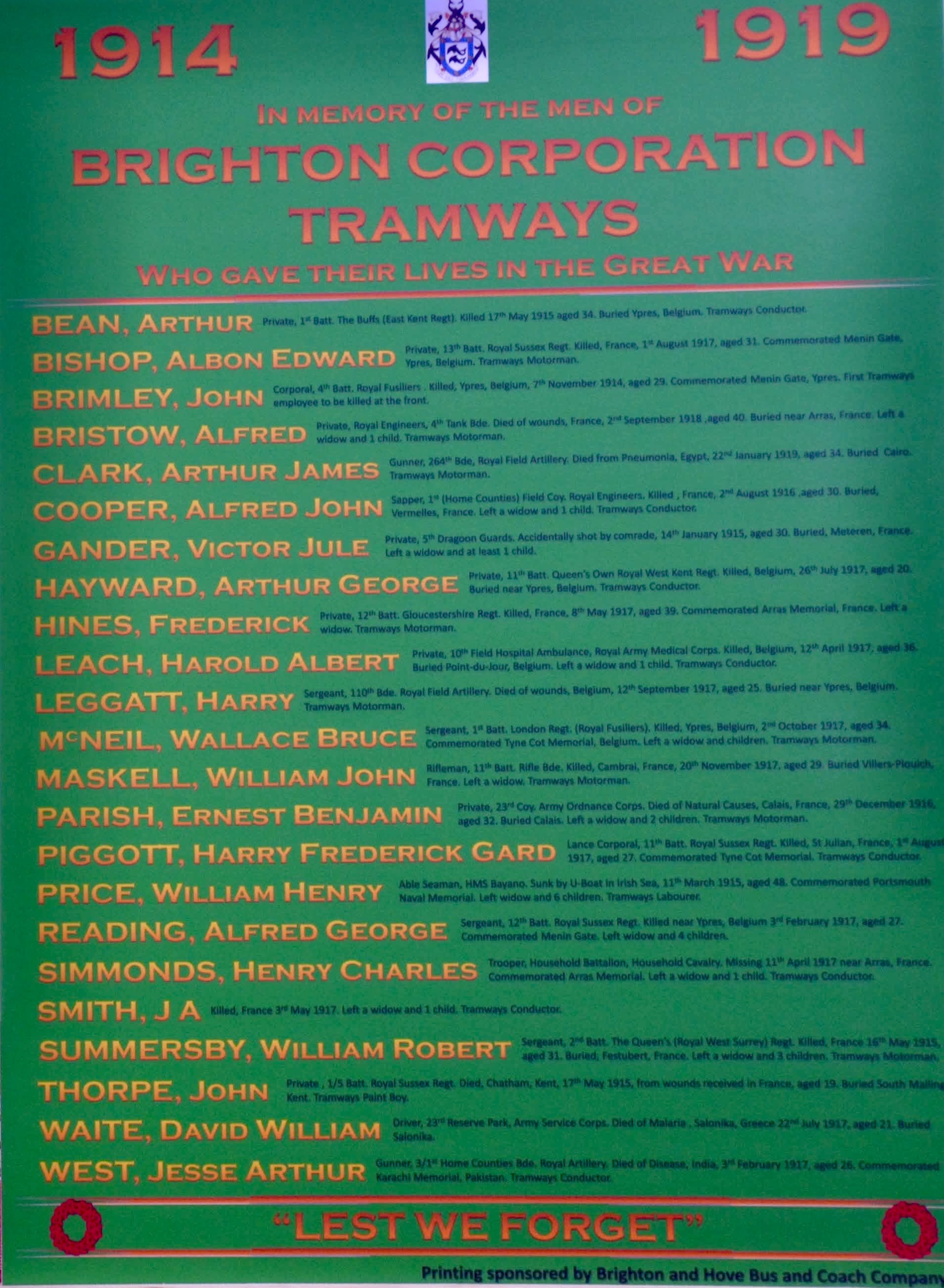
The First World War

At the outbreak of war Brighton Corporation Tramways had 273 employees. The War Mobilisation Order meant 114 were conscripted. The result being all employees were working 7 days a week for 11 hours a day.

1915

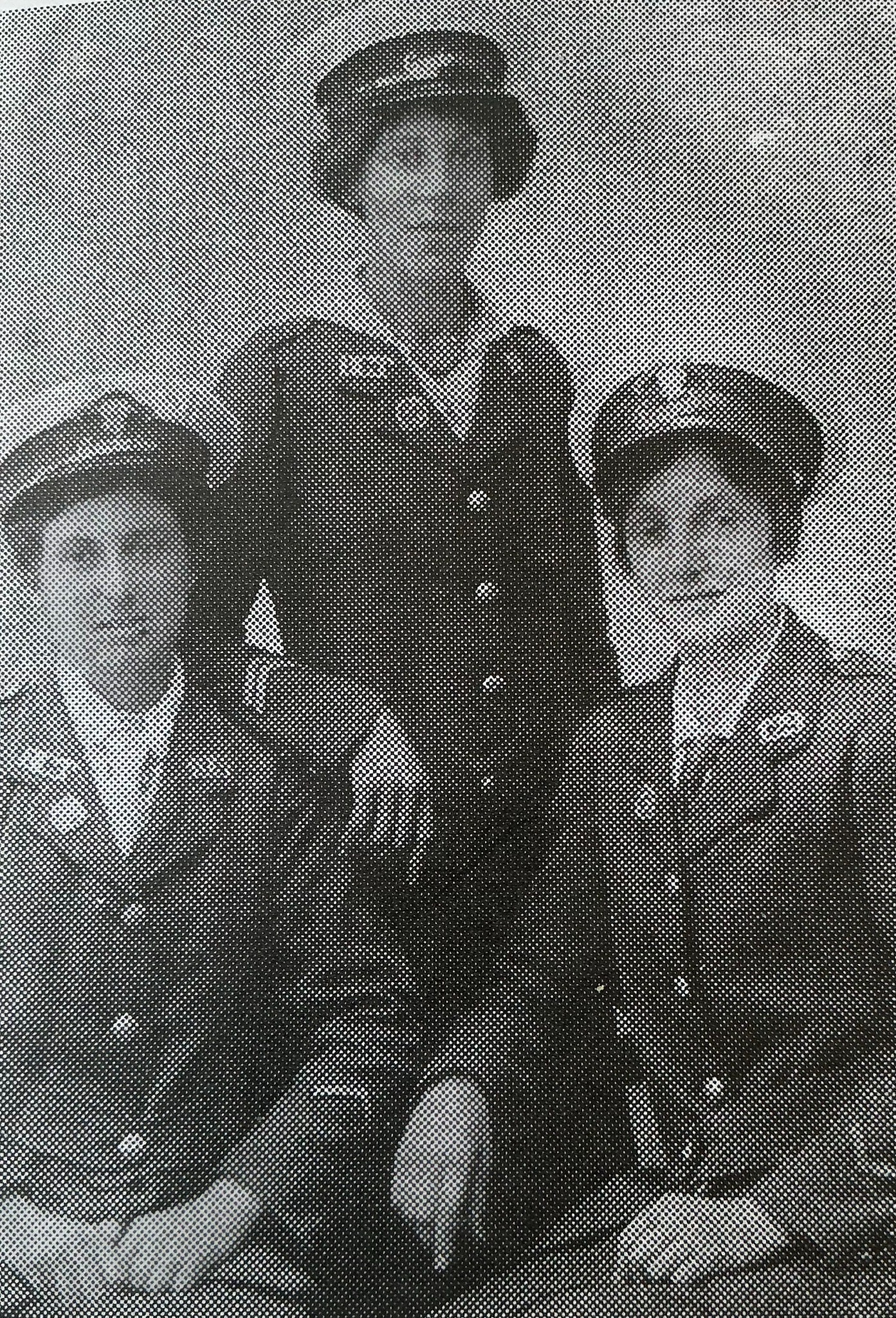
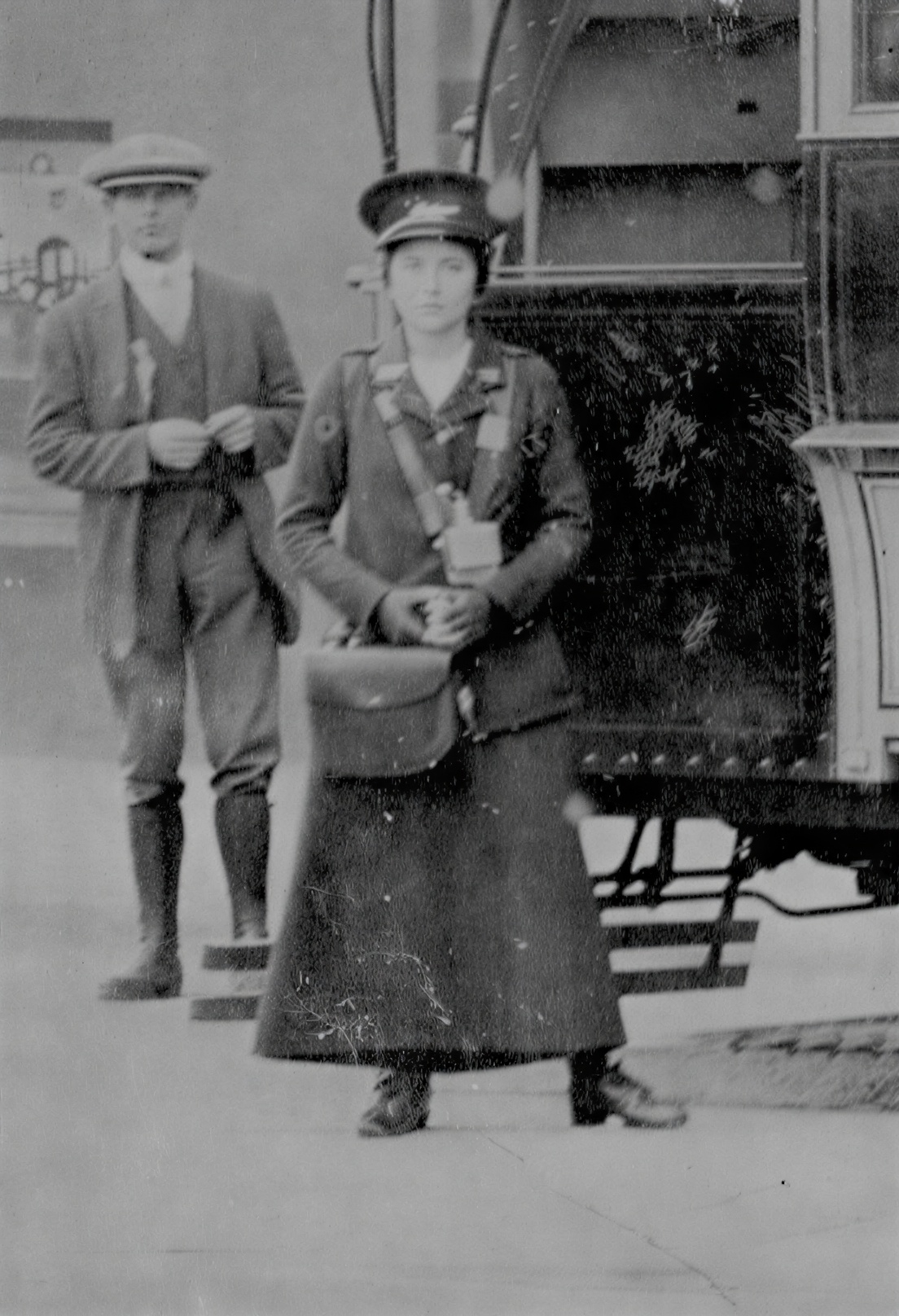
It was decided when finding replacement male employees to include 6 female employees which were recruited as conductresses proving more reliable than the new men employees. Brighton was the first town in the UK to employ conductresses.

Brighton Corporation Tramways conductresses

1916

March

The total conductresses employed was now 48 being 73% of all the conducting staff. Another 82 men left to join HM Forces.

1919

May

All conductress’s have now been replaced by returning male soldiers.

1920

The minimum 1d (penny) fare was abolished increasing to 2d (pence).

1923

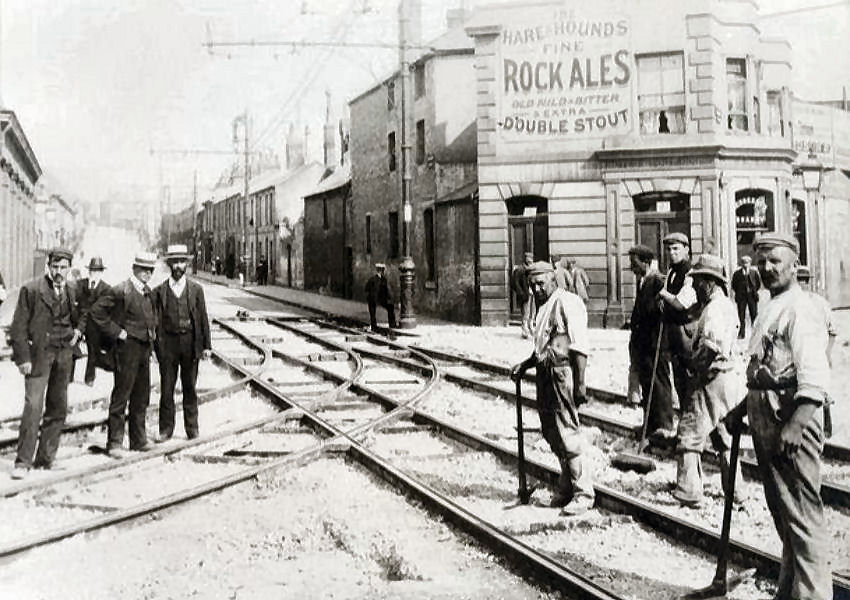
Having now rebuilt all the tramway track with better quality rails, the tram maximum speed was increased from 16 mph to a max of 20 mph.

1926

The General Strike Tuesday 11th May

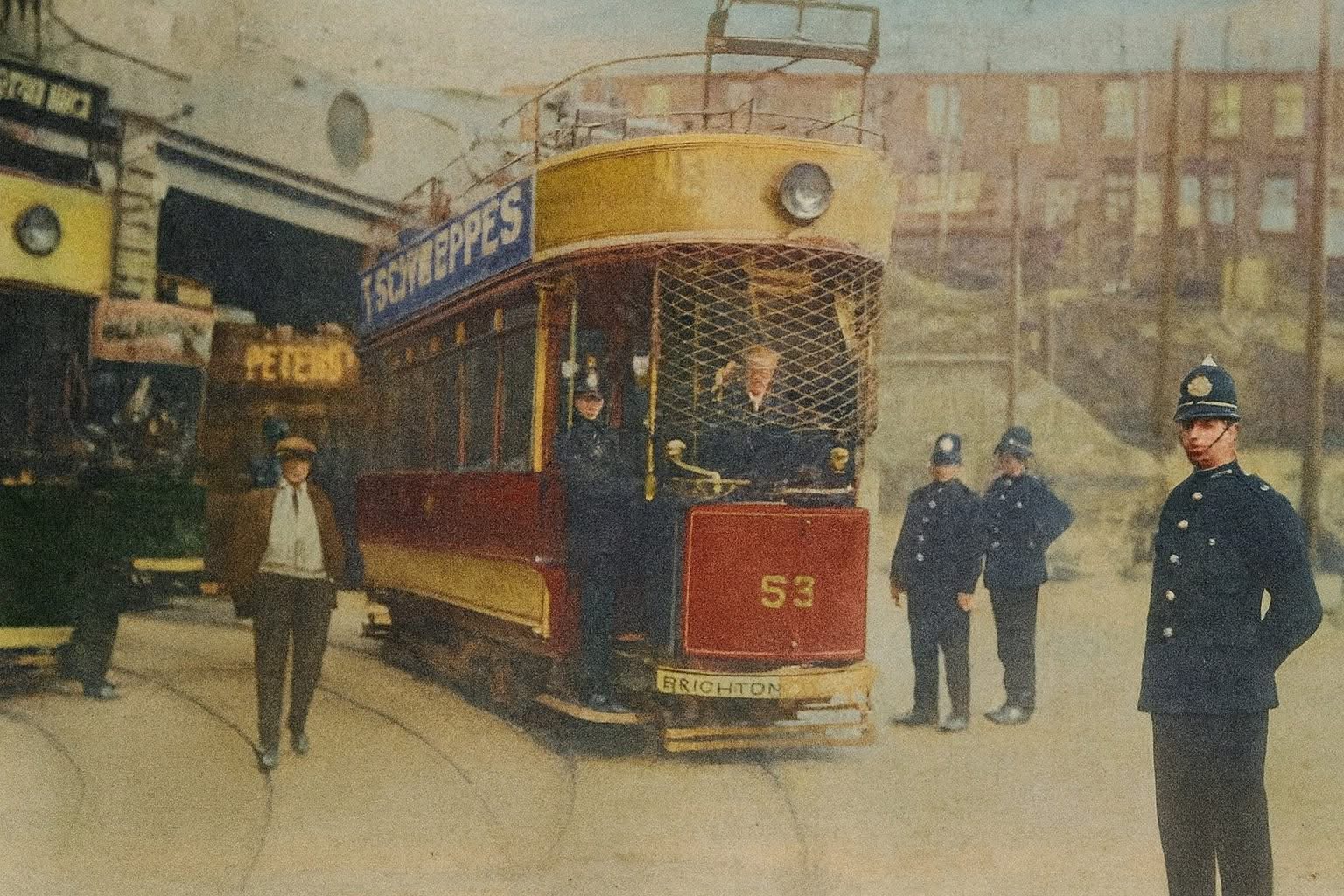
The General Strike of 1926 had a massive effect on the Brighton Tramway. The strike called by the TUC over striking coal miners paralysed the UK and in Brighton the strike was complete with everything closed down including the Tramway. On the 11th May an attempt was made to get non striking employees into the depot for training but the 4,000 strikers from around the town thought it was an attempt to start the trams working. The result a battle occurred now recognised as ‘The Battle of Lewes Road’. 22 arrests made and many injured. The General strike started 4th May and finished by 12th May.

The Battle of Lewes Road and Brighton Tram 53
The Battle of Lewes Road

1927

All trams on the network have now been built at the Lewes Road Corporation workshop.

1936/37

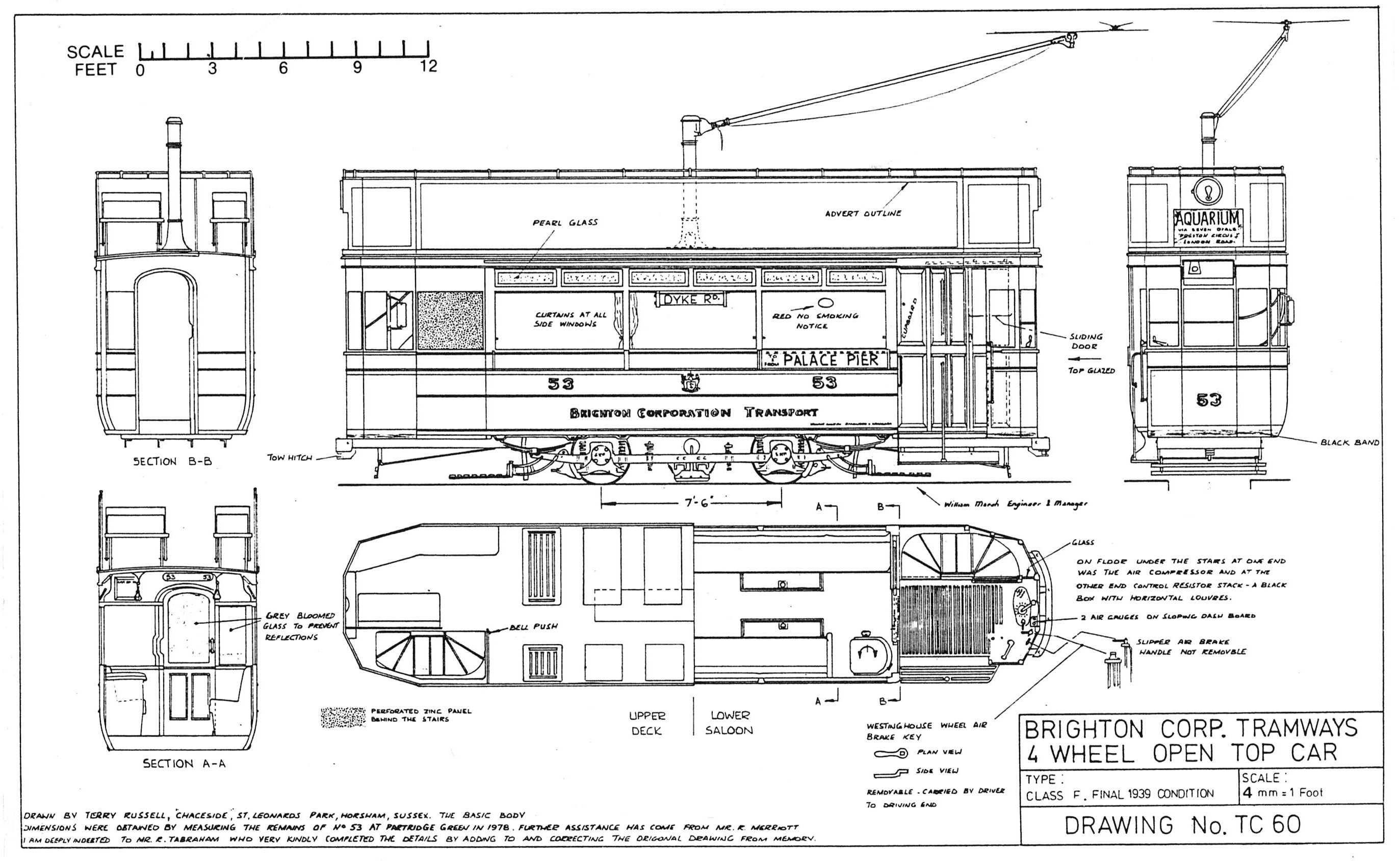
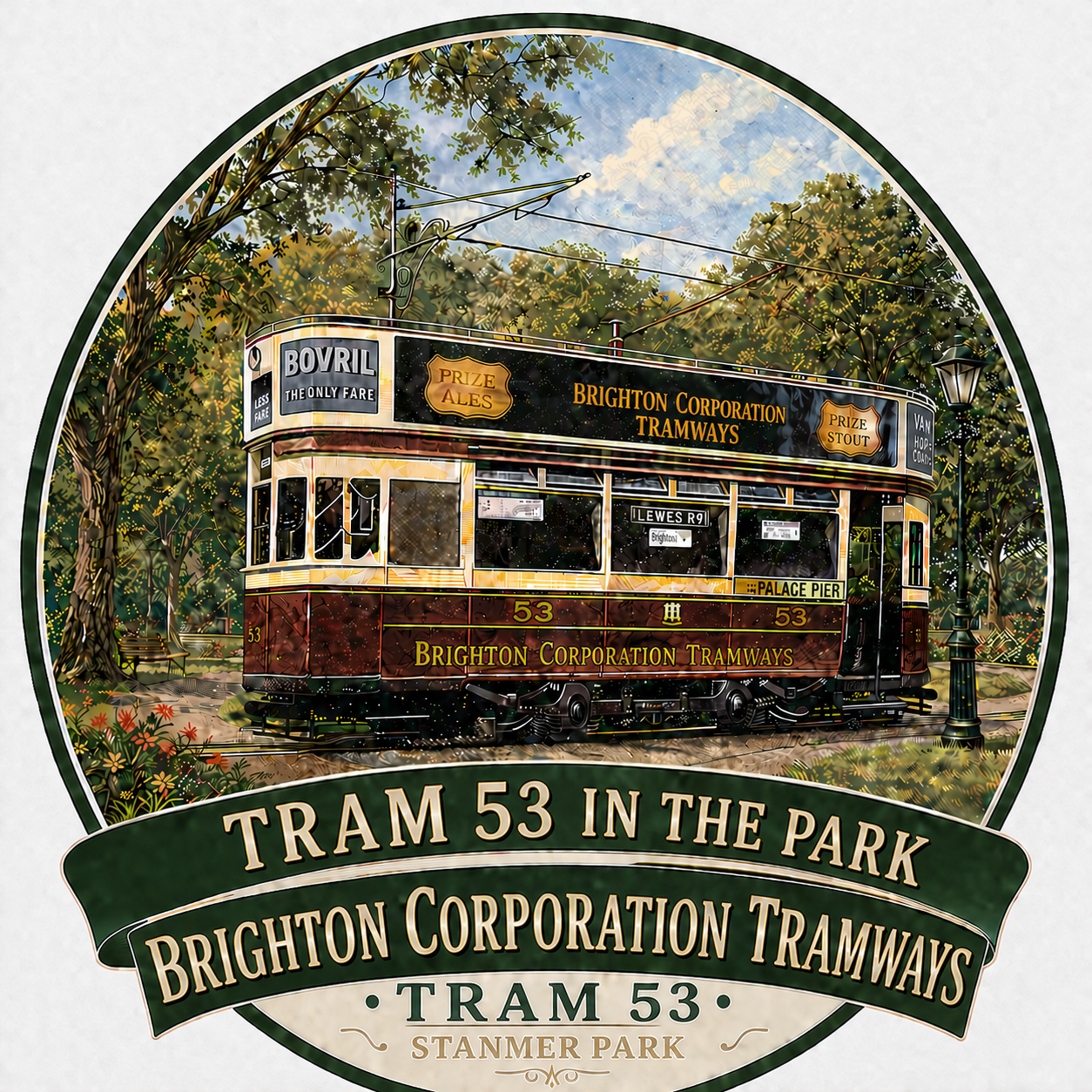
Trams 51, 52 & 53 were built by General manager/engineer William Marsh without specific authorisation from the Corporation. They were the very last open top trams built at the Brighton Workshop and the whole of the UK. The new 53 was the third tram to use this number.

1939

September

The Tramway network was scrapped having carried a total of 629 million passengers over 52 million miles of passenger journeys, making a profit every year from 1905. The total profit over 38 years of operation was £54k equivalent (2026) of £4.6 million paid back into Corporation coffers to help the cost of running the town. The tramway network never needed any subsidy and had a near perfect safety record of only one major accident. Sadly, no one realised the environmentally friendly, non-polluting, energy efficient, smooth riding tram, was the future for public transport.

2010

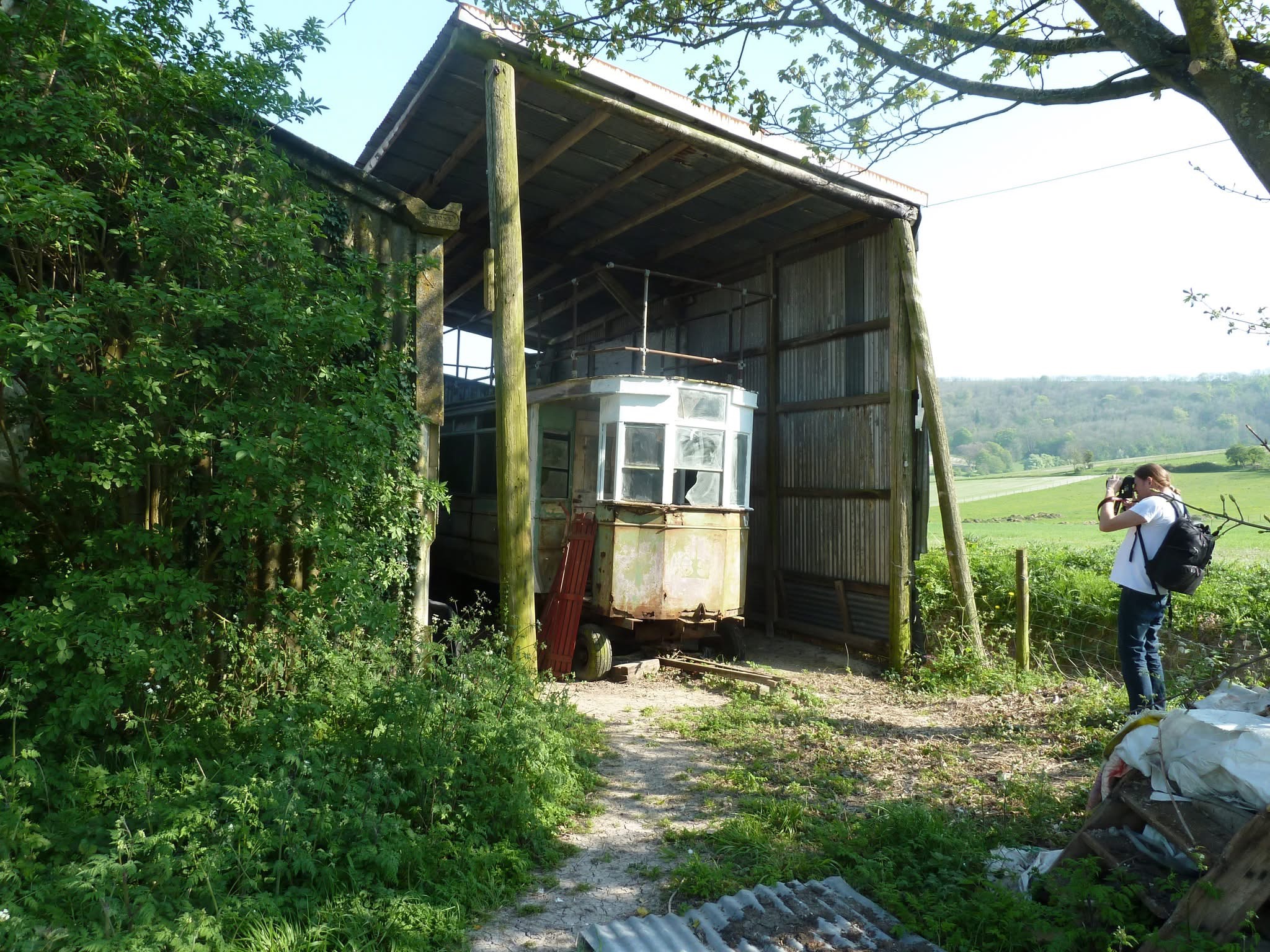
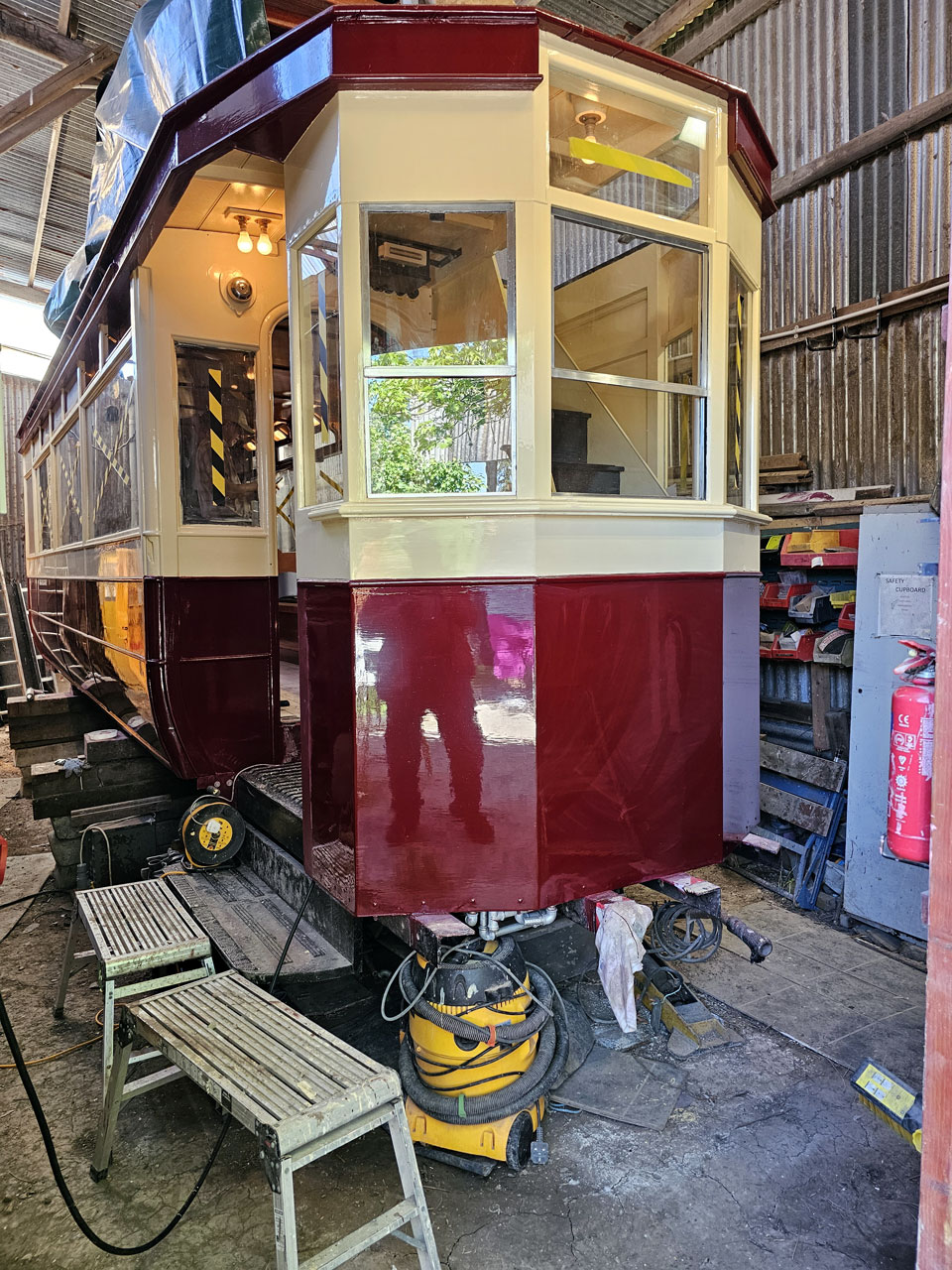
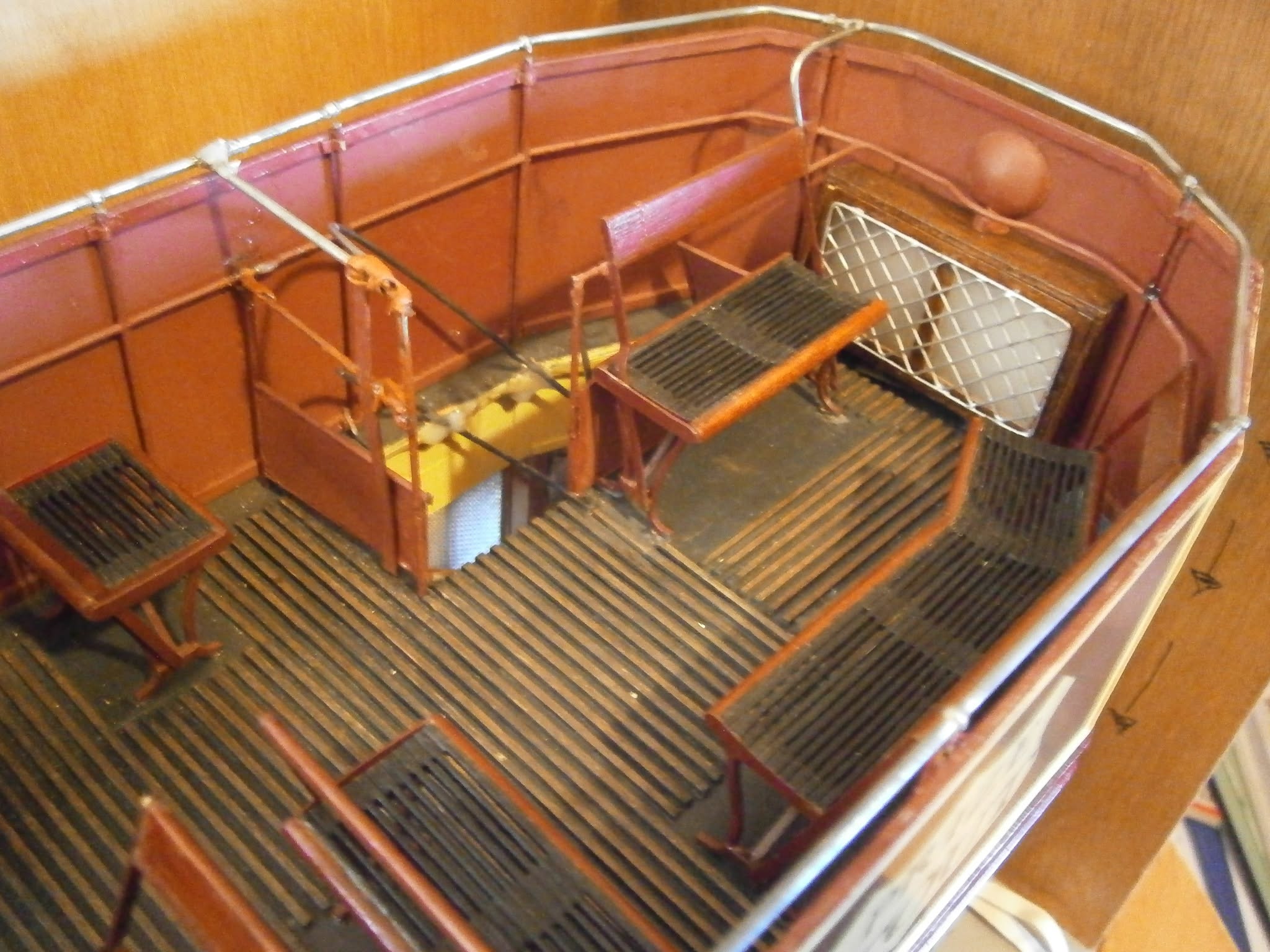
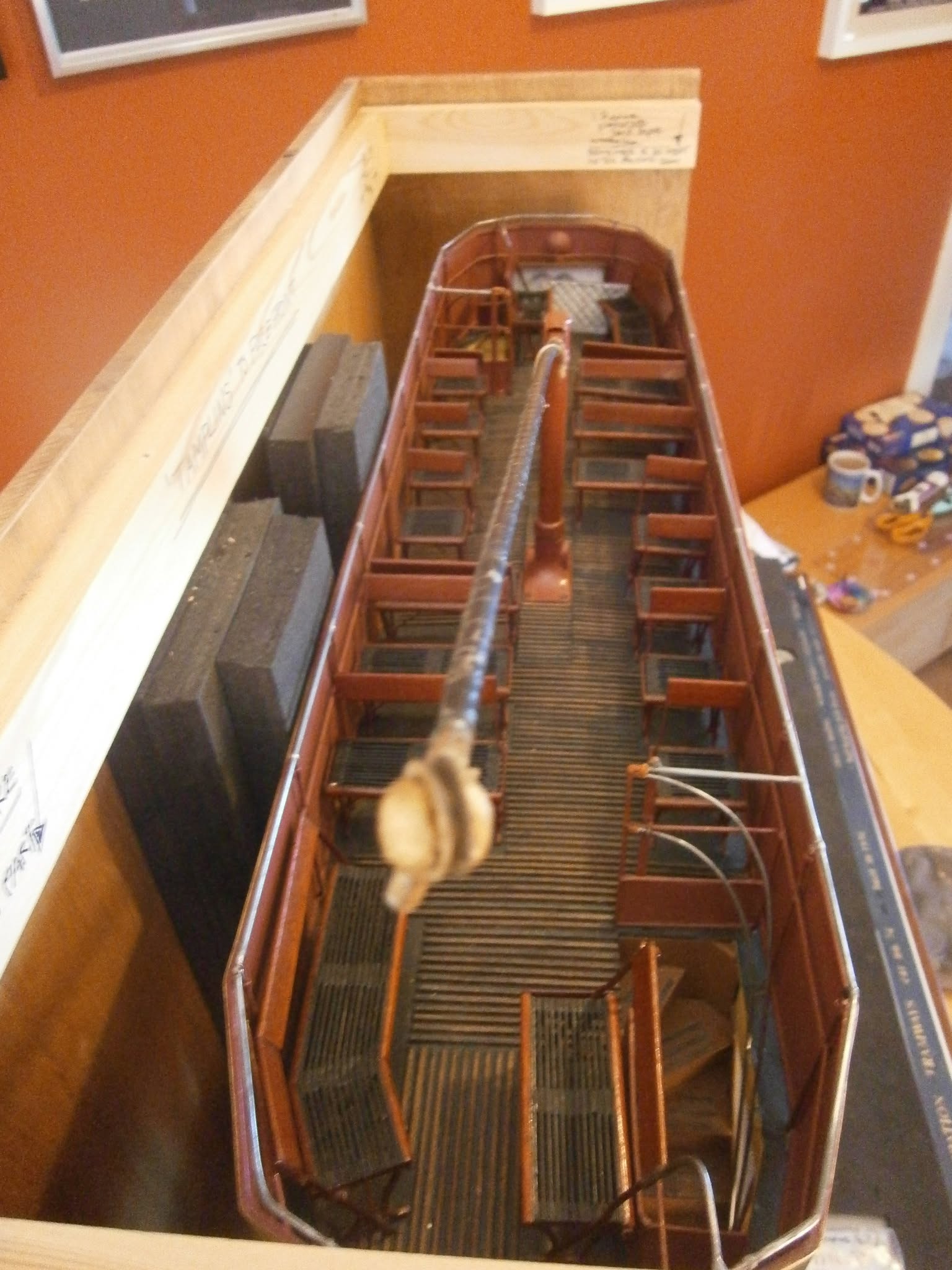
Guy Hall a model maker, hears a story that there is a forgotten Brighton tram on a farm in West Sussex. After discussions with the farmer this tram, the only survivor of the 38 years of Brighton’s Tramway, it was agreed he would start a full restoration program making it a fully working Heritage tram. A 16 year restoration period of the former Brighton Corporation Tramway tramcar 53 starts. The Brighton Tram 53 Society is formed.

2026

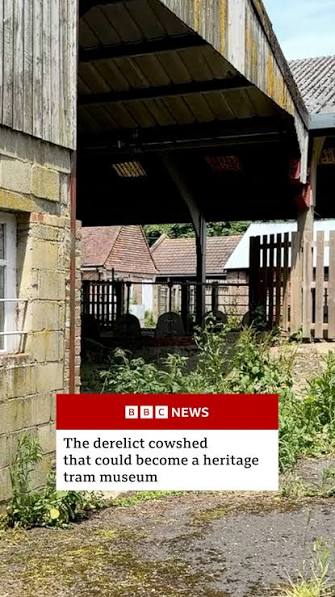
With restoration nearly complete, the Society formally asks Brighton & Hove City Council officers and Councillors to be given the use of two barns and courtyard at Home Farm, Stanmer Park, converting the two buildings to be the permanent home of Tram 53, being tram sheds and a museum. Then to add a permanent Tramway travelling down to the park entrance gate and back up to the park’s historic Barn.

History of UK Trams & Tramways

Key early tramway milestones

1801

21st May

First UK Horse Tramway opened by Surrey Iron Railway to be used for carrying freight.

1807

The first in the world operating, fare paying Passenger Horse Tram running between Swansea & Mumbles, Wales — Oystermouth Railway.

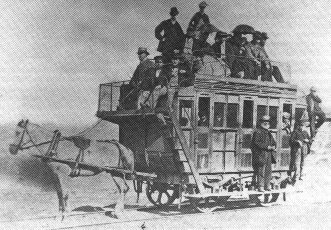
Historic passenger horse tram
Early passenger horse tram image used in the Word document

1860

30th September

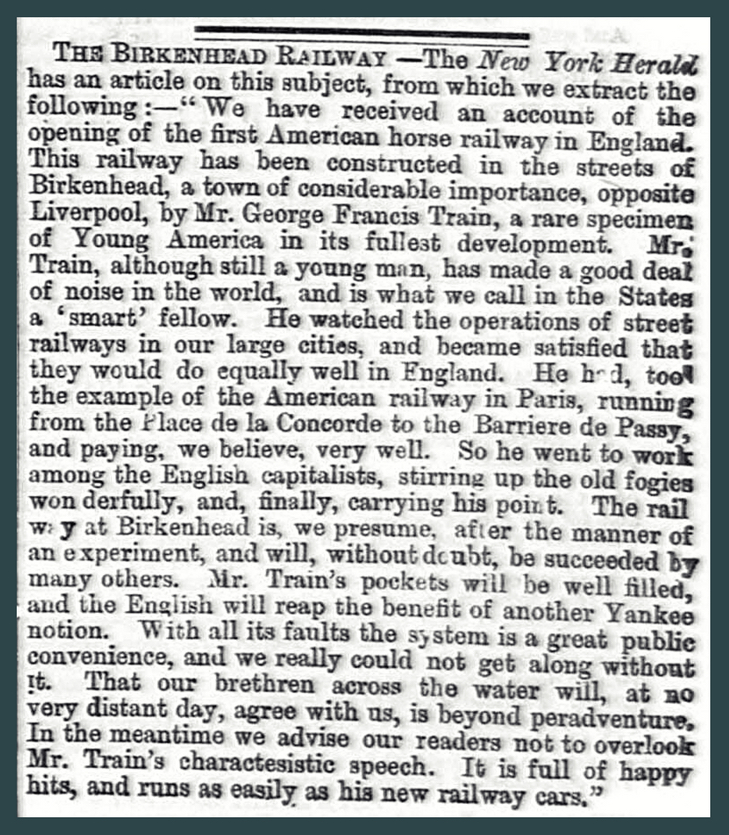
The first UK street Passenger Horse Tramway, a distance of 1 1/2 miles, set up by an American Mr George Francis Train — The Birkenhead Railway, Birkenhead.

The Birkenhead Railway newspaper article
The Birkenhead Railway newspaper article from the Word document

1861

The First London Horse Tram introduced.

1870

The First Tramways Act put in place by Parliament to provide protection for local authorities from Tramway proposals.

1883

The First UK ELECTRIC Tramway, Volks Electrical Railway, opens in Brighton.

Origins of the word TRAM

Early meaning and development

The word tram originated around 1500 in Scotland to describe a wooden beam, shaft of a cart, or wheeled trucks used in coal mines.

The term tram likely derives from Flemish trame, meaning beam, handle of a barrow, or bar.

The word tramway is thought to date from about 1826.